Motorcycle Lane Splitting Vs. Speeding In Oakland Crashes
Lane splitting often leads people to blame the motorcycle rider right away. That assumption can miss the real reason a crash happened. A driver who was speeding, distracted, following too closely, or changing lanes without checking mirrors may have created the danger.
At Quirk Reed, we know that California allows lane splitting, but that does not automatically decide who is responsible after a collision. The rider's speed, the flow of traffic, road conditions, visibility, and the driver's actions all matter when we review an Oakland motorcycle crash.
Know What Really Caused Your Oakland Motorcycle Crash
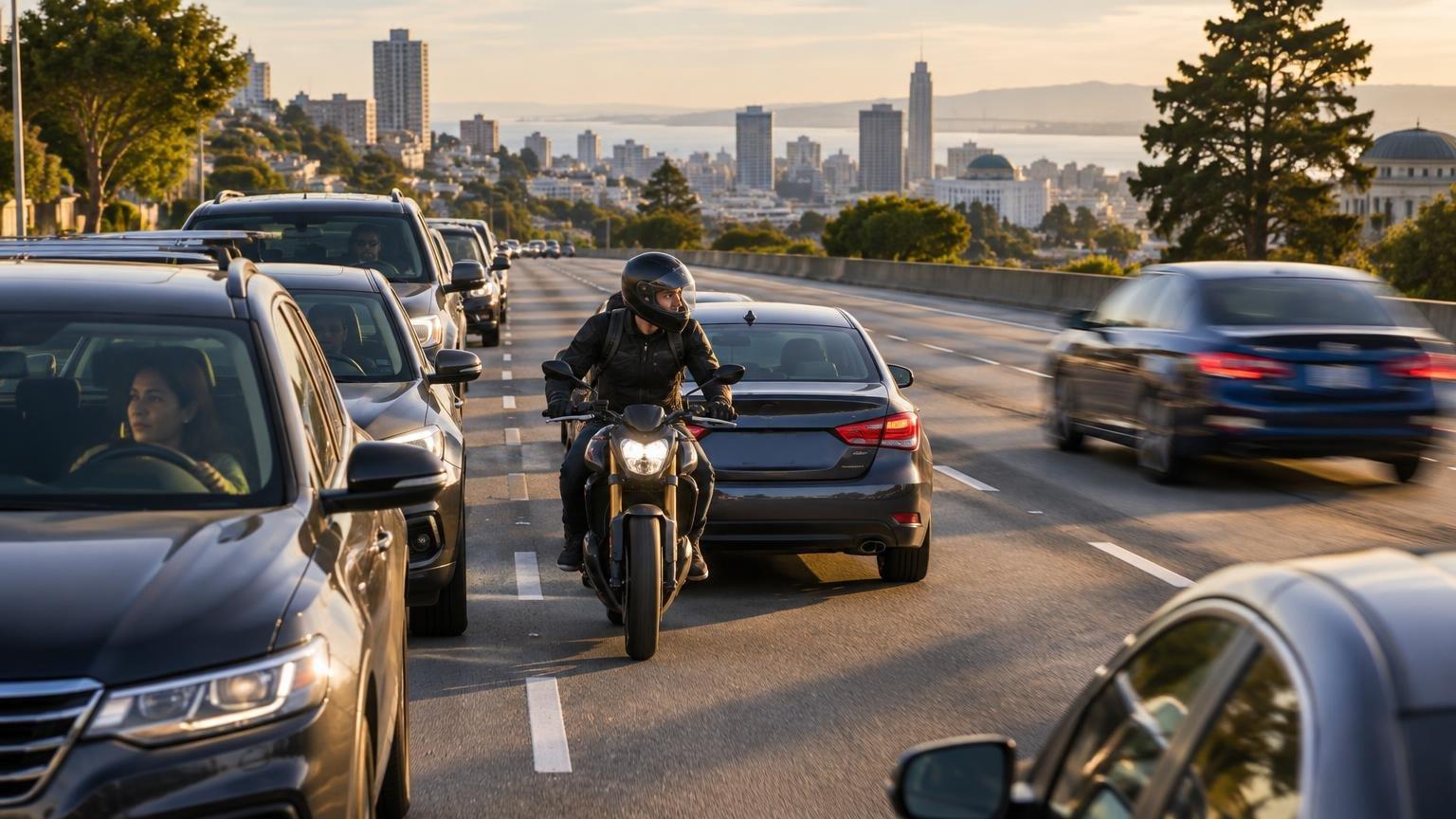
A rider may lawfully travel between lanes of stopped or slow-moving traffic. Still, lawful lane splitting is not the same thing as unsafe riding. The question after a crash is whether everyone involved used reasonable care under the conditions.
Oakland traffic can make that question more complicated. Congested routes such as I-580, I-880, Highway 24, and busy city streets often involve constant merging, abrupt lane changes, and drivers searching for a faster path through traffic. Motorcycles can be harder to spot when a driver is focused only on the car in front of them.
Lane splitting and speeding are separate issues. A rider may be filtering carefully between slow vehicles when another driver speeds into congested traffic or suddenly moves over without looking. We look beyond the label of "lane splitting" and focus on the chain of events that led to impact.
California Lane-Splitting Rules and Safe Riding Factors
California Vehicle Code Section 21658.1 expressly permits lane splitting. Riders must still operate safely and follow other traffic laws, but the act of traveling between lanes is not automatically illegal or careless.
When we assess a collision, the details matter. Insurers, attorneys, and juries may look at factors such as:
- The speed of surrounding traffic
- The motorcycle's speed compared with nearby vehicles
- Lane width, road surface, and traffic congestion
- Lighting, visibility, weather, and driver behavior
- Whether the driver had a fair opportunity to see the motorcycle
California Highway Patrol guidance has often warned riders against lane splitting at excessive speeds or when traffic is moving faster than 30 mph. Those recommendations are not automatic fault rules. Instead, they may be part of a larger discussion about whether a rider's actions were reasonable at that moment.
During November, earlier sunsets, holiday traffic, rain-slick pavement, wet leaves, and glare from headlights can make an evening commute harder for everyone. A driver moving too fast for reduced visibility may have little time to react. Those same conditions can also affect whether lane splitting was safe, which is why no one fact should decide a claim.
Why Speeding Drivers Can Cause Lane-Splitting Collisions
Speeding changes everything. A driver who approaches slow traffic too quickly may slam on the brakes, swerve into another lane, or try to pass a vehicle without checking for a motorcycle between lanes. Even a brief failure to look can have life-changing results.
We often examine whether a driver was speeding, following too closely, or driving too fast for traffic conditions. A motorist does not get to ignore motorcycles simply because they are smaller than cars. Drivers still have a duty to stay alert, use mirrors, check blind spots, signal lane changes, and follow speed laws.
A high-speed impact can also make injuries much worse. A rider traveling at a moderate pace may still suffer severe harm when hit by a speeding car, SUV, or truck during a lane change or rear-end crash.
Evidence may help show whether speed played a role, including:
- Traffic-camera, dashcam, or nearby security video
- Vehicle event data, braking information, and damage patterns
- Skid marks, debris, lane markings, and roadway conditions
- Statements from witnesses who saw the driver's actions
- Police reports and crash reconstruction findings
A motorcycle accident lawyer in Oakland can help investigate whether a driver's speed was a direct cause of the collision. That investigation matters when an insurance company tries to blame lane splitting before all available evidence has been reviewed.
Fault Depends on the Full Story
California uses a pure comparative negligence system. In plain terms, more than one person can share responsibility for a crash. An injured rider may still seek compensation even if they are found partly responsible for what happened.
For example, a rider traveling too quickly between lanes could be assigned some fault. At the same time, a driver who was speeding and made an abrupt lane change without signaling or checking mirrors may carry a larger share of responsibility. We review how each person acted, not just whether the motorcycle was lane splitting.
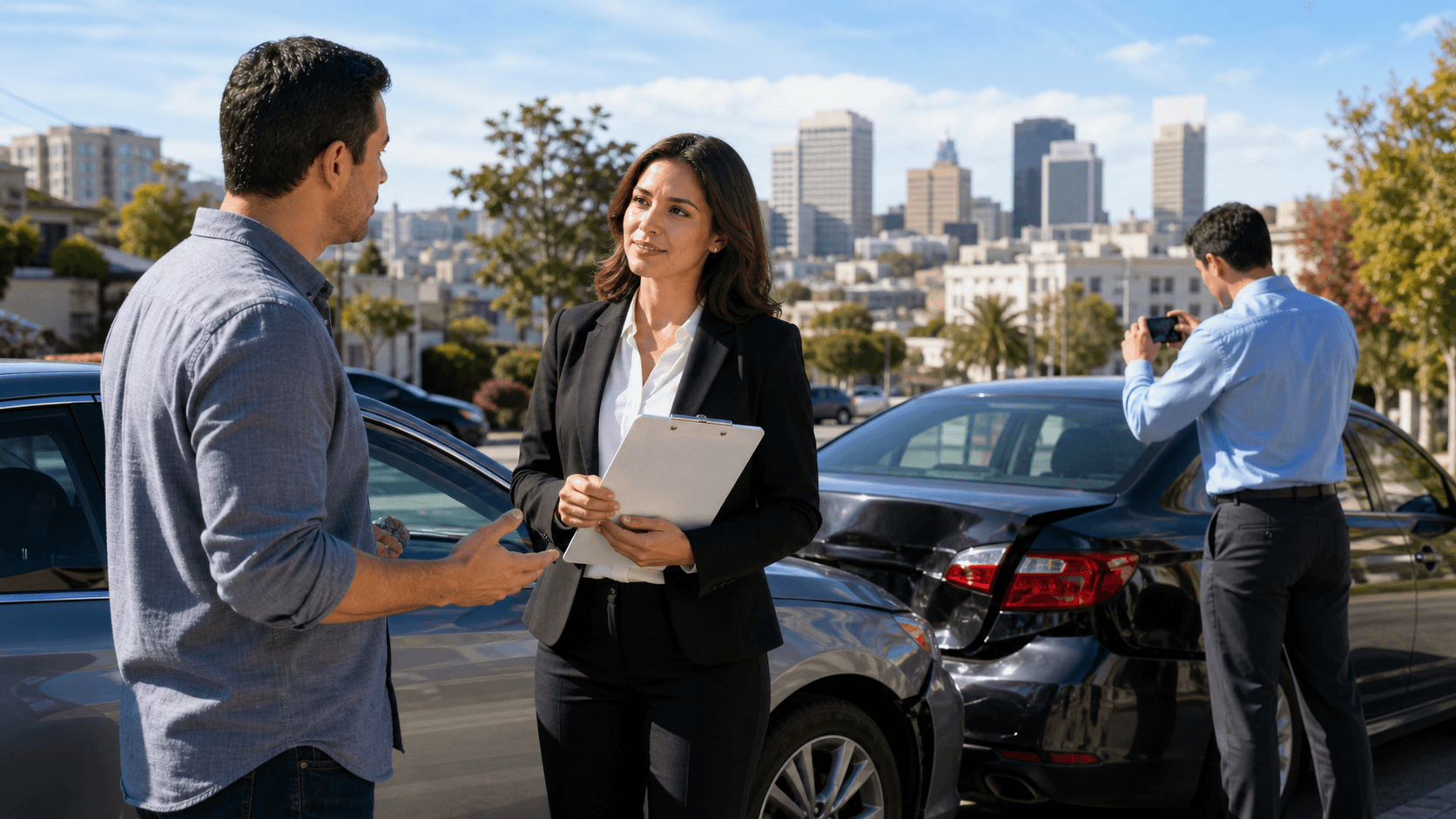
Insurance companies may focus on a single detail because it is easier than examining the full story. Before giving a recorded statement or accepting a quick offer, it is wise to understand what evidence exists and what the police report does, or does not, prove. A motorcycle accident lawyer in Oakland can review the facts surrounding medical expenses, lost income, pain and suffering, and other crash-related losses.
Evidence and Rights After a Motorcycle Crash
Important evidence can disappear quickly after an Oakland collision. Rain can wash away tire marks and debris, while darker evening conditions may make it harder to evaluate visibility later. Video from businesses, homes, transit systems, and vehicles may also be erased or recorded over if it is not preserved promptly.
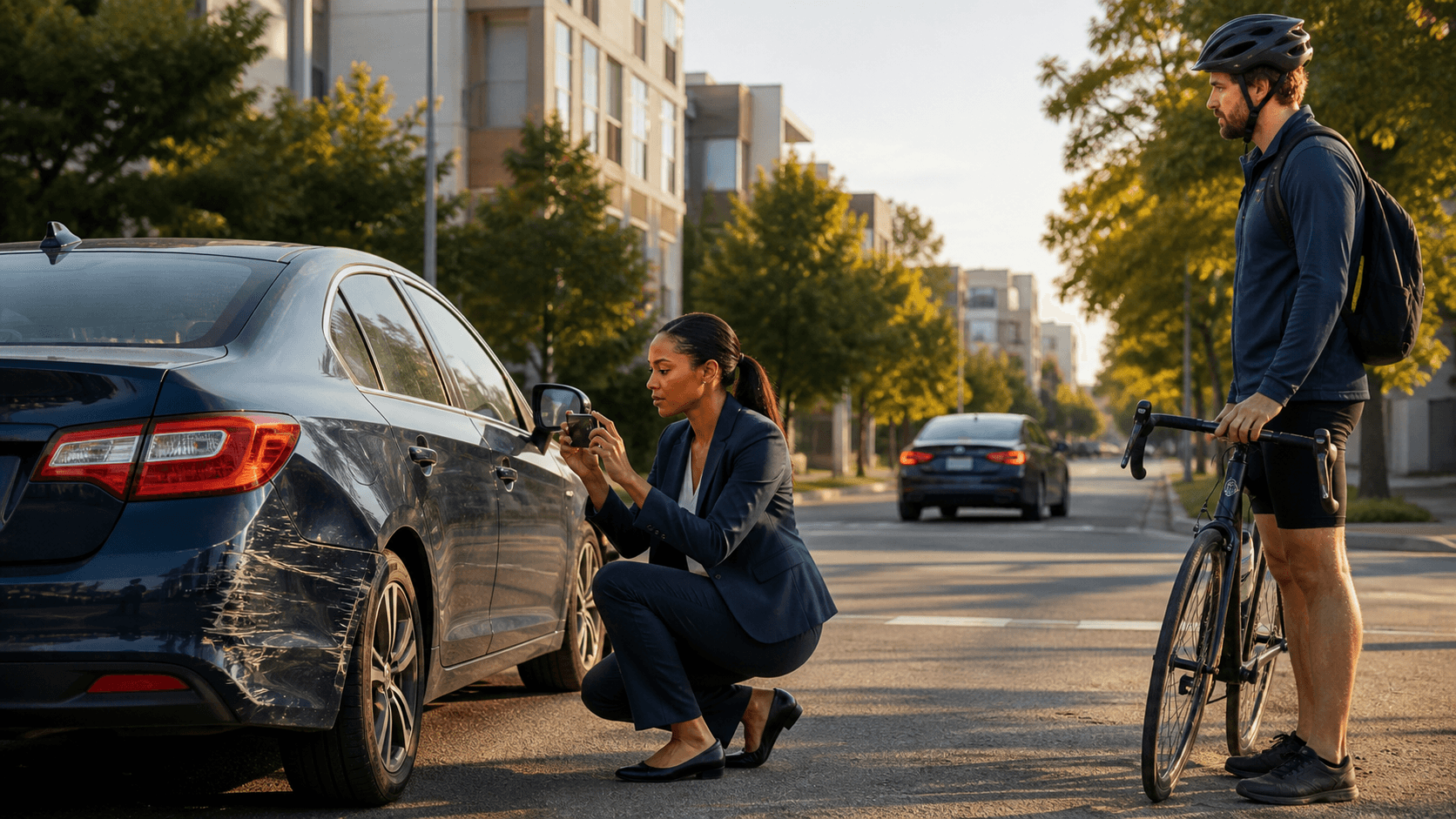
When possible, we recommend keeping records that show how the crash occurred and how it affected you. Helpful materials may include photos of vehicle damage, damaged riding gear, visible injuries, roadway conditions, witness contact details, and medical records. Consistent medical documentation can help connect injuries such as fractures, head injuries, spinal damage, road rash, and emotional trauma to the collision.
Lane splitting does not automatically make a rider responsible, and speeding does not automatically make the other driver fully liable. Seek appropriate medical care, preserve what you can, and avoid making assumptions about fault before the full evidence has been reviewed.
Get Clear Guidance for Your Next Steps
At Quirk Reed, we can help you understand your options and build a case grounded in the facts. Speak with a motorcycle accident lawyer in Oakland about the records, timelines, and legal issues that may affect your claim. Contact us to discuss your situation with our team.