Protect Your Recovery When a Driver Leaves
A hit-and-run crash can leave you hurt, shaken, and full of unanswered questions. When the other driver speeds away, it may feel like your chance to recover compensation disappeared with them. It did not. However, a missing driver can change where we look for proof and which insurance coverage may apply.
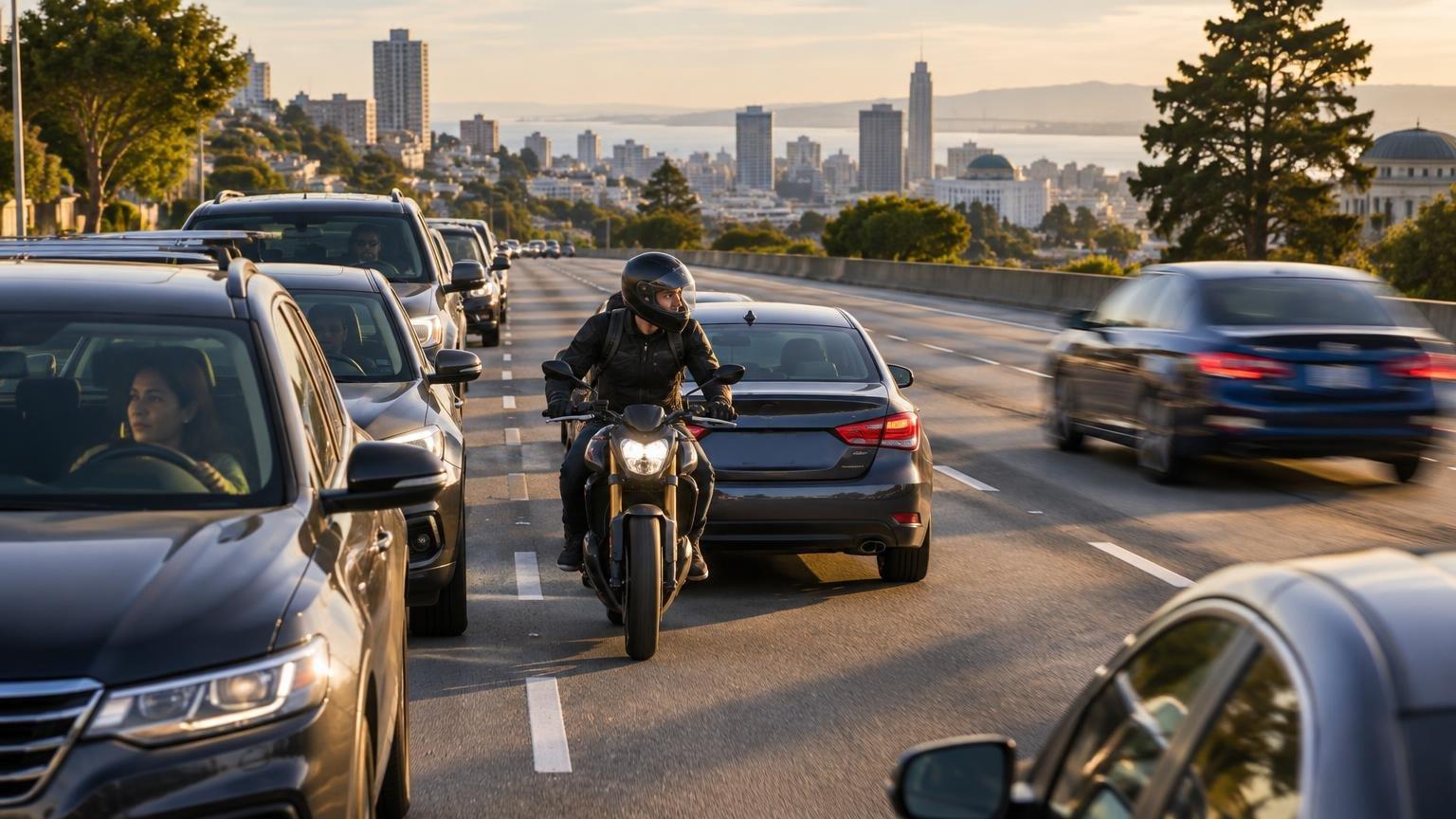
November also brings conditions that can make Oakland streets more dangerous. Earlier sunsets, seasonal rain, wet pavement, holiday gatherings, and heavier traffic can reduce visibility and lead to serious collisions. Pedestrians, cyclists, motorcyclists, and drivers all face added risk when someone fails to see them, reacts too late, or leaves after a crash.
The path forward depends on the facts. We can help you understand the differences between a standard accident claim and a hit-and-run claim, including finding the driver, preserving evidence, reviewing uninsured motorist coverage, and paying attention to reporting deadlines.
A Missing Driver Changes the Claim Path
After a typical crash, both drivers usually stop, exchange information, report the collision when appropriate, and notify their insurance companies. A hit-and-run disrupts that process. The at-fault driver may be unknown, uninsured, or difficult to locate, which makes early evidence especially important.
If law enforcement or other evidence identifies the fleeing driver, we may be able to pursue that driver's liability insurance coverage or consider a personal injury claim against them. When the driver cannot be identified, recovery may instead involve your own insurance policy. Depending on the coverage available, that can include uninsured motorist benefits, medical payments coverage, collision coverage, or another applicable policy.
Speaking with an Oakland hit-and-run lawyer early can help you avoid common missteps. Insurance representatives may ask for recorded statements or information before you have had time to understand the full extent of your injuries and losses. We can review the circumstances, identify potential coverage, and help determine whether a policy may apply to a phantom vehicle claim.
Standard Claims Begin with Two Known Drivers
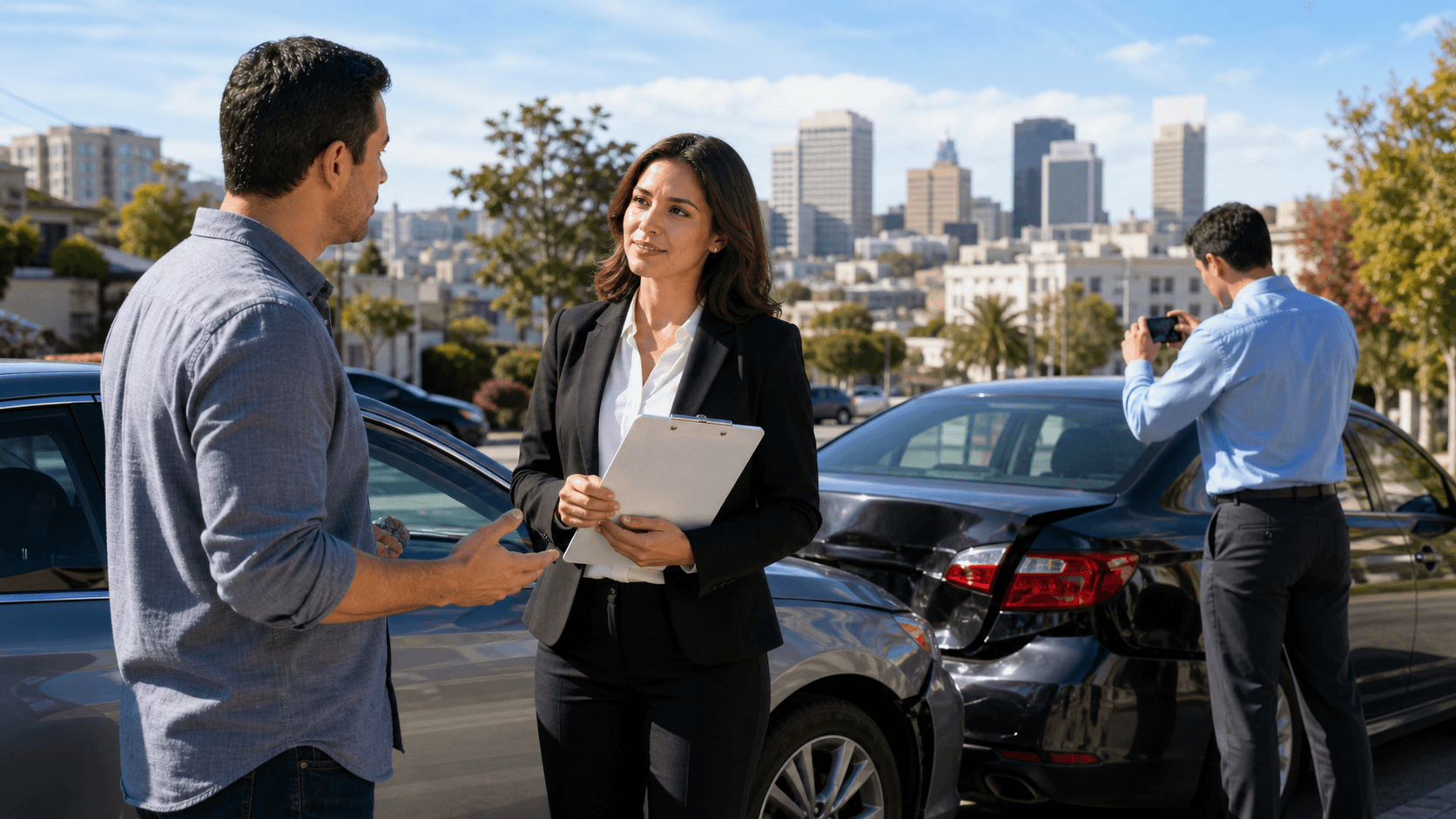
A standard Oakland car accident claim often starts with a clearer foundation: both drivers are known. Names, insurance details, vehicle information, and contact information can be gathered at the scene. Photos, witness accounts, medical records, repair estimates, and police reports can then help show what happened.
When the at-fault driver is identified, an injured person may submit a claim to that driver's insurance company. The claim can include proof of negligence and documented losses connected to the crash, such as:
- Medical care and related treatment
- Lost income from time away from work
- Pain and suffering
- Vehicle damage and other property losses
Still, an identified driver does not guarantee a simple claim. The other insurer may argue that you caused part of the collision, question the seriousness of your injuries, or challenge whether treatment was related to the crash. California's comparative negligence rules can affect recovery when insurers claim more than one person shares fault. Standard claims may involve disputes, but they usually begin with more information than a hit-and-run case.
Evidence Can Identify the Driver and Preserve Your Claim
The first priority after any collision is safety and medical care. If a driver flees, we recommend calling law enforcement, seeking prompt medical attention, and avoiding any attempt to chase the vehicle. Pursuing a fleeing driver can create another dangerous situation and may make an already stressful event worse.
As soon as you can do so safely, record what you remember. Small details can become meaningful later, especially when there is no other driver at the scene. Useful information may include:
- The vehicle's color, make, model, or visible damage
- Any part of a license plate number
- The direction the vehicle traveled
- The time, location, weather, and sequence of events
- A description of the driver, if you saw them
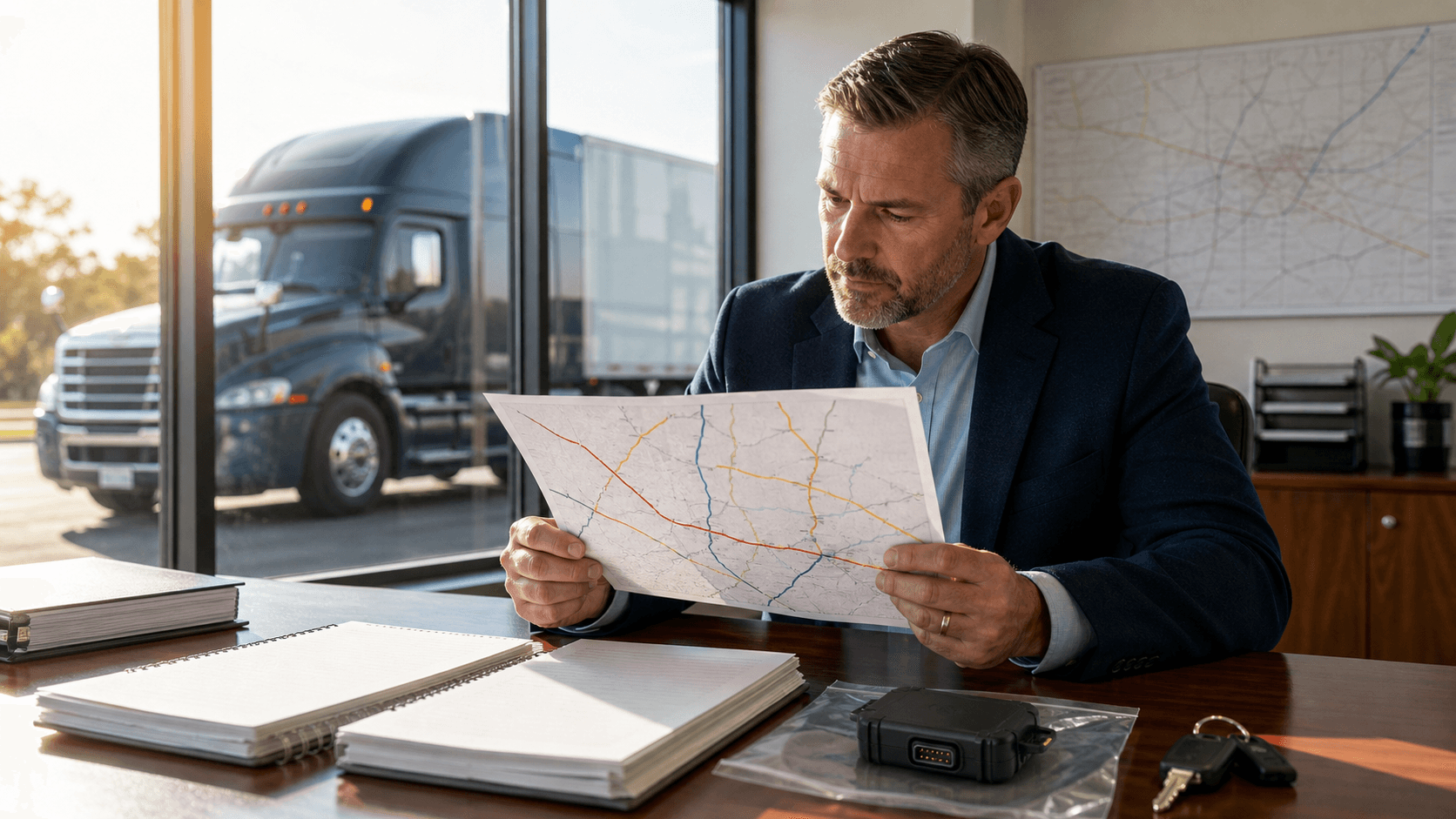
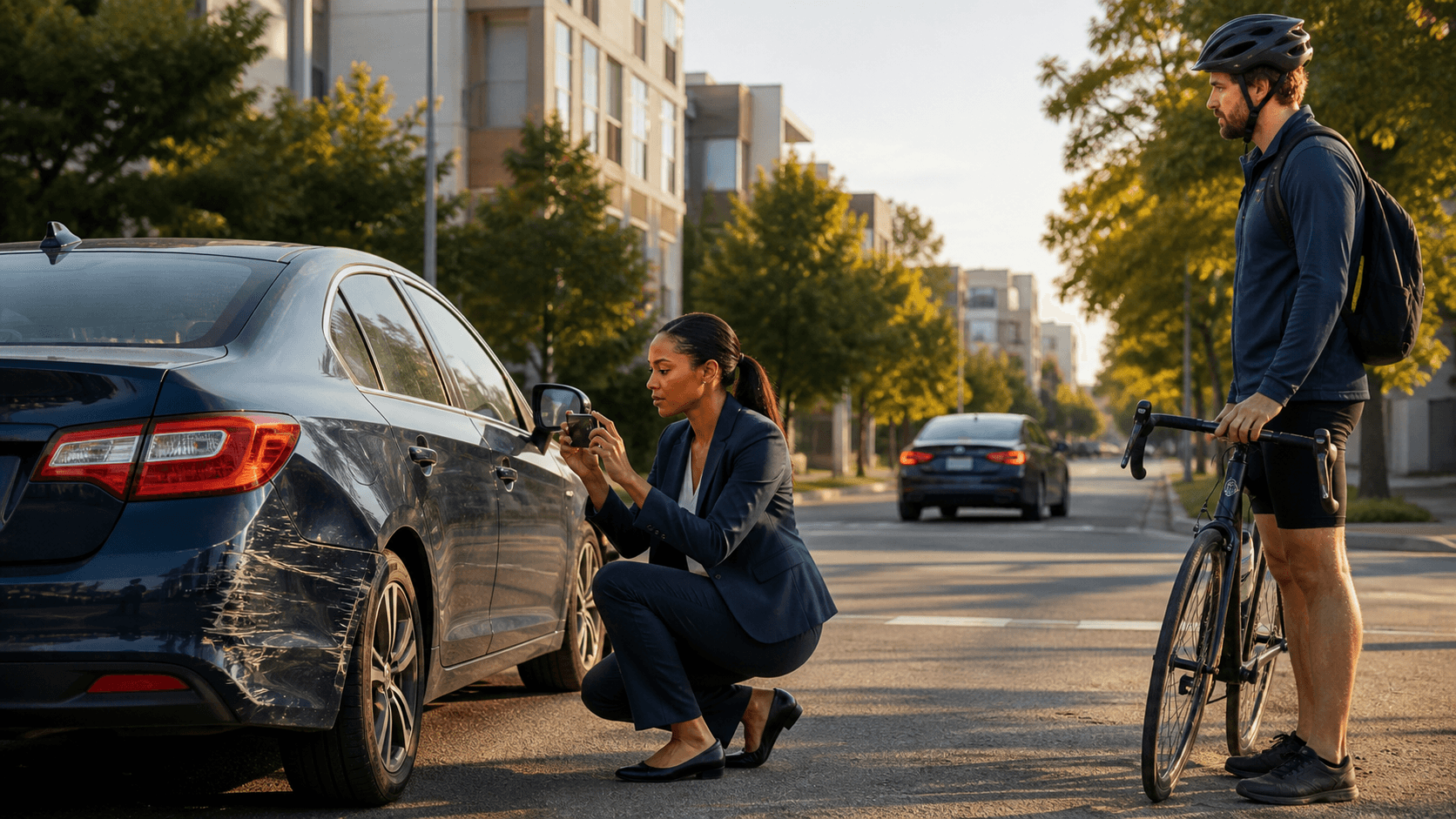
Video and physical evidence can also be powerful. Nearby businesses, homes, traffic cameras, doorbell cameras, dash cameras, vehicle debris, paint transfer, and eyewitness statements may help identify the vehicle or support the claim. Some video systems overwrite footage quickly, so prompt preservation efforts can matter.
A police report can document that the collision occurred and may support an insurance claim. Still, a report is not a promise that law enforcement will find the driver. You also do not necessarily need a criminal case to move forward with a civil insurance claim. We can help keep the focus on preserving evidence and reviewing available coverage while the investigation continues.
Insurance Coverage May Replace an Absent Driver
In many hit-and-run situations, an unknown driver may be treated in a manner similar to an uninsured motorist for insurance purposes. Whether uninsured motorist coverage applies depends on the policy language, the facts of the crash, and applicable California law. This coverage may help with injury-related losses when the driver cannot be found or does not have insurance.
Different coverages often serve different purposes. Uninsured motorist bodily injury coverage may address medical expenses, lost wages, and pain and suffering. Collision coverage may help with repairs or replacement of a damaged vehicle. Policy limits, deductibles, and reimbursement rights can all affect the result.
Your own insurance company is not automatically on your side simply because you were not at fault. Insurers may closely review a hit-and-run report, question how the crash happened, or challenge the value of a claim. We can examine auto coverage, potential household policies, employer-related coverage when relevant, and other possible sources of recovery before accepting a denial or low offer.
Take Control of Your Next Steps
A driver leaving the scene does not mean you are out of options. Prompt medical care, a police report, careful evidence preservation, and timely notice to insurers can all help protect your ability to seek compensation. Injury and property damage claims may have different deadlines, and claims involving government entities can require much earlier notice.
Evidence can fade fast, whether that means missing camera footage, fading memories, or a damaged vehicle being repaired before it is fully documented. Taking informed action early can give you a clearer view of what happened, what coverage may apply, and what steps may help protect your claim.
Get Clear Guidance for Your Next Steps
At Quirk Reed, we can help you assess the details of your situation and understand the options available to you. Speak with an Oakland hit-and-run lawyer who can review the circumstances surrounding your claim. If you are ready to discuss your case, contact us for a consultation.